10 Things We All Hate About A1 Garage Doors Gold Coast garage door sensor open or closed
How to Reduce Garage Door Noise Repair Issues?
A noisy garage door can be more than just an annoyance—it can signal potential repair issues and affect the comfort of your home environment. Whether you own a manual or automatic door, understanding how to reduce garage door noise is essential for maintenance and longevity. This comprehensive guide will explore common noise sources, practical maintenance tips, lubrication methods, and professional advice to help homeowners achieve quieter garage door operation in 2025.
What Are the Common Causes of Garage Door Noise?
Garage noises such as door clatter, rattling, or thuds often stem from several identifiable noise sources. The most frequent culprits include worn or damaged door rollers, rusty door hinges, loose garage hardware, and misaligned garage tracks. Additionally, door sagging caused by unbalanced springs or frame issues can create excessive vibration amplifying undesirable sounds.
Weather conditions play a role as well; cold temperatures can cause materials like metal rollers and springs to contract, increasing squeaky noises. Furthermore, rust accumulation on any component leads to friction and grinding sounds.
The garage frame itself can act as a resonance chamber, magnifying vibrations created by the garage opener motor or manual door movement. Understanding these underlying causes enables targeted repairs and effective noise reduction strategies.
How Does Proper Garage Door Maintenance Help Reduce Noise?
Consistent garage maintenance is crucial to minimize noise and prevent costly door repair. Regular door inspection allows early detection of issues like loose bolts, worn panels, or rust formation. A thorough garage door tune-up typically includes track cleaning to remove debris, which ensures proper door alignment and smooth operation.
Rust removal is another key maintenance tip—rust weakens metal components and increases friction noise. Tightening all door hardware and checking the condition of springs, hinges, and rollers contribute to a quieter, safer garage door.
Establishing an annual garage maintenance schedule that incorporates these checks helps maintain optimal performance and reduces the risk of unexpected noises caused by misalignment or wear.
What Are the Best Lubrication Practices for a Quiet Garage Door?
Door lubrication plays a vital role in addressing squeaky doors and reducing operational noise. Using the right lubricants, preferably silicone-based sprays or white lithium grease, ensures long-lasting noise control without attracting dirt or dust.
Focus lubrication on key garage hardware components such as door hinges, roller bearings, the pulley system, and springs. Nylon rollers generally produce less noise than metal rollers because they reduce metal-on-metal contact, further contributing to noise reduction.
Lubrication should be performed every six months or at least once yearly as part of routine garage door maintenance to keep all moving parts running smoothly and quietly.
When and How Should You Replace Garage Door Rollers to Reduce Noise?
Roller replacement becomes garage door sensor issues necessary when you notice signs like visible cracks, persistent noise beyond lubrication, or uneven door movement. Old or worn rollers directly impact door alignment and can increase rattling or clattering sounds during operation.
Nylon rollers are preferred over metal rollers for noise reduction due to their quieter, smoother rotation. When replacing rollers, ensure compatibility with your garage door model and prioritize safety by disconnecting power to automatic doors and using proper tools.
Regularly inspecting and timely replacing door rollers not only improves noise levels but also extends the life of other hardware by maintaining correct door balance and track engagement.
How Do Garage Door Springs Affect Noise and How to Adjust Them Safely?
Garage door springs, including torsion springs and extension springs, significantly influence door noise and overall operation. Worn or unbalanced springs cause door sagging, increased vibration, and unwanted garage noises such as thuds or clatter.
Proper spring adjustment ensures door balance, reducing strain on rollers and garage tracks that otherwise amplify noise. However, spring adjustment involves high tension and can be dangerous without the right tools and expertise.
It’s highly recommended to seek professional help for spring maintenance or replacement. Certified technicians safely handle safety cables and avoid accidents while restoring quiet, balanced door function.
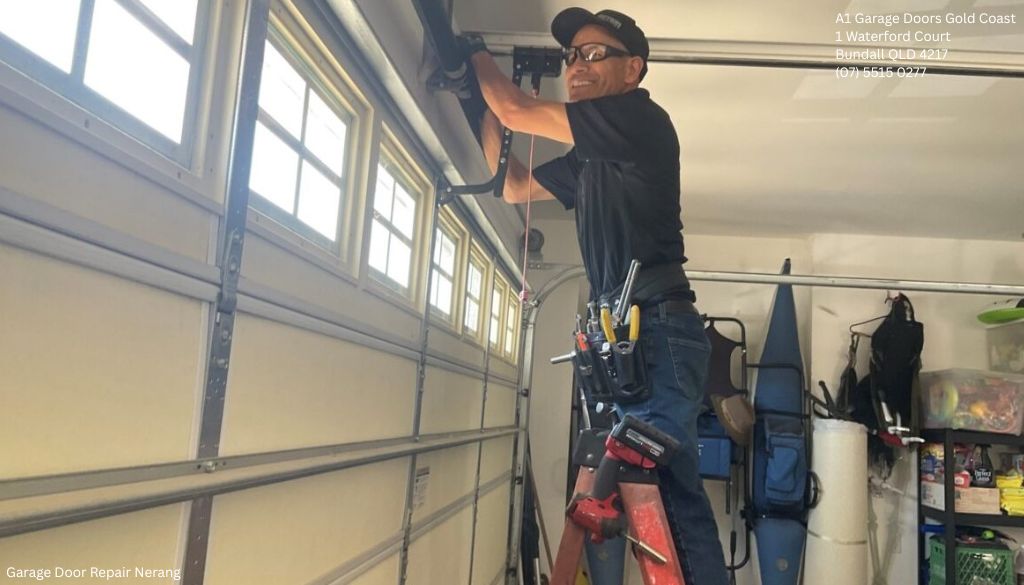
How Can Garage Door Openers Be Tuned to Minimise Noise?
The garage opener motor is a major noise source, particularly in chain drive models, which tend to produce louder operational sounds than belt drive openers. Choosing a quiet garage door opener can make a significant difference in noise dampening.
Tuning opener settings, such as adjusting motor speed and force limits, helps achieve smoother starts and stops, reducing mechanical noise. Installing noise barriers or soundproofing materials near the opener can also absorb vibrations, preventing them from spreading throughout the garage.
Regular garage opener maintenance, including inspection of door sensors, lubrication of moving parts, and tightening loose components, prevents extra sounds caused by wear or misalignment.
What Role Do Weather Stripping and Door Seals Play in Reducing Garage Door Noise?
Weather stripping and door seals contribute to noise insulation by eliminating gaps through which rattling or external noise can enter the garage space. Properly installed weather stripping cushions door panels against the frame, offering vibration control that reduces harsh metallic sounds.
Various types of weather stripping, such as rubber or vinyl seals, are effective in blocking drafts and muffling door rattling. Besides noise benefits, they also enhance energy efficiency and prevent moisture intrusion.
Maintaining intact and flexible seals is an affordable way to improve garage door soundproofing and overall comfort.
How to Inspect and Align Garage Door Tracks to Prevent Noise Issues?
Misaligned garage tracks are a frequent cause of grinding or clattering door noises. Inspect tracks regularly for dents, bends, or loose door brackets that may cause the door to become unbalanced or sag.
Cleaning tracks falls under basic garage maintenance—removing dirt, rust, and remnants ensures rollers run smoothly. Realigning tracks involves loosening mounting bolts, gently repositioning the tracks to align precisely with the door rollers, and then tightening bolts securely.
Door sagging stresses hardware and can lead to noisy garage noises during operation. Supporting the structure with sturdy door brackets helps maintain alignment and reduces vibration-related sounds.
What Are Advanced Noise Dampening Techniques for Garages?
For homeowners seeking extra noise reduction beyond standard maintenance, advanced noise dampening techniques can transform the garage into a quieter space. Applying acoustic foam panels or rubber mats absorbs sound waves effectively.

Installing noise barriers made from mass-loaded vinyl around the door frame or walls creates additional layers to block sound transmission. Adding insulation to garage ceilings and walls further enhances noise insulation alongside door noise management.
These soundproofing measures are particularly beneficial if the garage shares walls with living areas or is used as a workspace requiring minimized noise disturbance.
Can Professional Garage Door Tune-ups Prevent Expensive Noise Repairs?
Professional garage door tune-ups offer comprehensive inspections covering garage hardware, door handles, safety cables, door sensors, and door balance. Trained technicians identify subtle issues that homeowners might miss, such as slight misalignment or worn springs causing incremental noise buildup.
Routine professional maintenance extends the life of garage door components, increases safety, and substantially reduces noise complaints over time. Although DIY fixes are helpful for basic lubrication or cleaning, expert services provide peace of mind and can prevent costly emergency door repairs.
The investment in regular tune-ups often outweighs expenses from neglect-related breakdowns and noisy operation that disrupt home comfort.
FAQ
What causes my garage door to make a loud clattering noise?
Loud clattering noises often result from worn rollers, loose hardware, or misaligned tracks creating excessive vibration during door movement.
Is it safe to adjust garage door springs myself to fix noise issues?
Adjusting door springs can be local community guide dangerous due to high tension involved. It’s strongly advisable to hire a professional technician for any spring adjustment or replacement to ensure safety.
How often should I lubricate my garage door?
Lubrication should be done every six months or at least annually to maintain smooth, quiet operation of all moving parts.
Can replacing metal rollers with nylon rollers reduce noise?
Yes, nylon rollers are quieter and provide smoother door movement compared to metal rollers, significantly reducing operational noise.
Why does my garage door opener make more noise than the door itself?
Chain drive openers are typically noisier than belt drives. Mechanical wear, loose motor components, or lack of maintenance can also increase opener noise levels.
Our Sponsor
A1 Garage Doors Gold Coast
A1 Garage Doors Gold Coast is a Bundall-based garage door specialist serving the southern Gold Coast and surrounding suburbs with installation, repair, maintenance, and emergency garage door services. The company specializes in sectional doors, roller doors, garage door openers, spring and cable replacement, opener motor repair, smart-enabled installations, and 24/7 emergency call-outs across Robina, Burleigh Heads, Surfers Paradise, Nerang, Coomera, and the wider Gold Coast region.
Address:
1 Waterford Court,
Bundall,
QLD
4217,
Australia
Phone: (07) 5515 0277
Business Hours:
- Open 24/7 — Including After-Hours and Emergency Call-Outs
Follow Us:
Will weather stripping really help with garage door noise?
Absolutely. Weather stripping seals gaps that cause rattling and blocks outside noise from entering through garage door edges, improving noise insulation.
How do I know if my garage door is balanced properly?
A balanced A1 Garage Doors Gold Coast garage door sensor open or closed door stays in place when lifted halfway manually. If the door moves up or down on its own, it indicates imbalance, which can lead to noise and accelerated wear.
Conclusion
Reducing garage door noise requires a combination of understanding common noise sources, performing regular garage maintenance, and applying proper lubrication sensor alignment troubleshooting and repairs. Replacing worn rollers, adjusting springs safely, tuning garage door openers, and installing effective weather stripping dramatically improve noise reduction. For complex issues, professional garage door tune-ups offer invaluable service that prevents costly repairs and maintains quiet, smooth operation.
By following these maintenance tips and considering advanced noise dampening solutions, homeowners can enjoy a quieter garage environment, enhancing comfort and preserving property value. Start implementing these strategies today to resolve squeaky doors and noisy garage troubles effectively.